What Gambling Banner Designs Tell Us About Player Preferences Online
Hugo Bauer · Nov 24, 2026
What Gambling Banner Designs Tell Us About Player Preferences Online
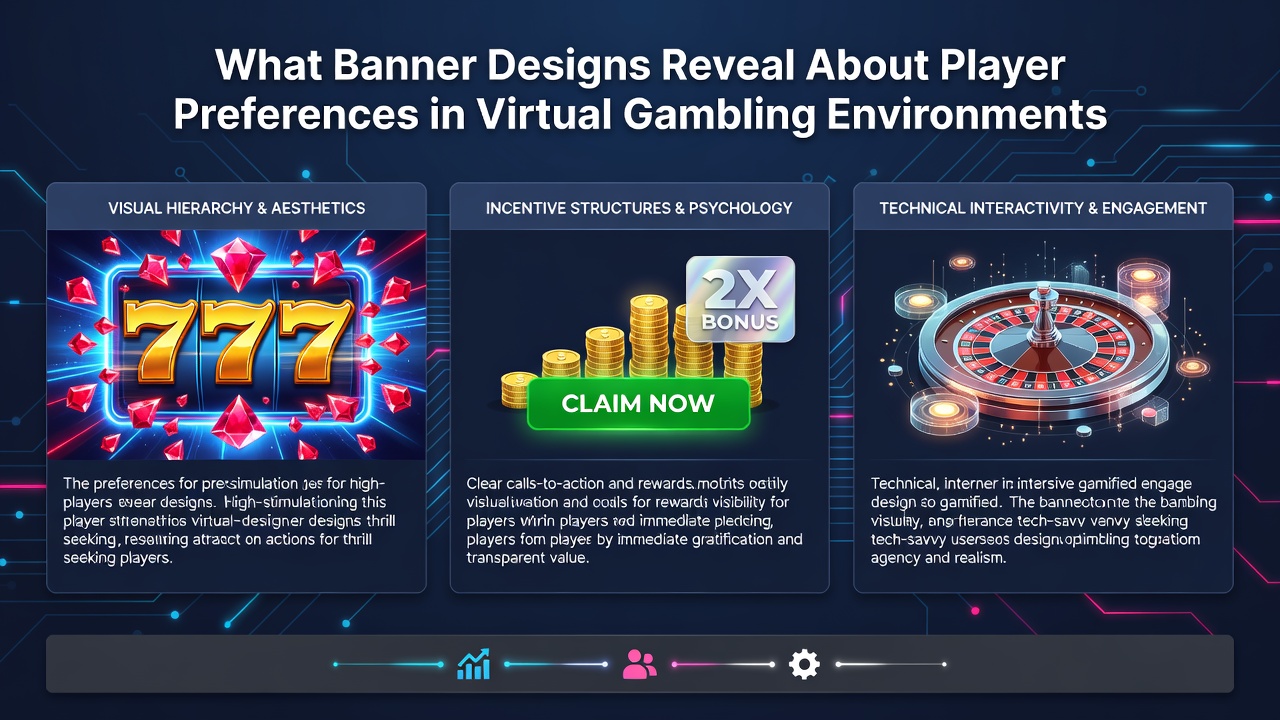
Virtual gambling environments rely heavily on banner designs to capture attention and guide user behavior, with data from multiple platforms indicating clear patterns in what draws players toward specific games or promotions. Observers note that these visual elements function as direct signals of preference, revealing preferences through metrics such as click-through rates, session durations, and deposit frequencies tracked across thousands of user interactions each month.
Color Choices and Engagement Patterns
Studies tracking banner performance show that deep reds and golds consistently correlate with higher interaction levels in slot-focused promotions, whereas cooler blues and greens appear more often in banners promoting table games like blackjack and roulette. Researchers analyzing campaign data from North American operators found that banners incorporating warm tones generated 18 percent more clicks on average during peak evening hours, while those using neutral palettes sustained longer viewing times among users aged 35 and older.
Yet the same analysis revealed regional variations, with Australian markets responding strongly to vibrant gradients that mimic neon signage from physical venues, a pattern documented in reports compiled through 2026. In November 2026, aggregated figures from multiple operators highlighted a 12 percent uptick in banner-driven registrations when designs incorporated metallic accents alongside these colors.
Imagery Elements That Signal Player Interests
Banner imagery provides further clues, as large-scale A/B testing demonstrates preferences for lifestyle scenes over abstract graphics in certain demographics. Banners featuring groups of friends celebrating wins tend to attract users who favor social-style slots, according to data compiled by industry analysts at the American Gaming Association. Those same tests indicated that close-up shots of spinning reels or card hands performed better among experienced players who already understand game mechanics.
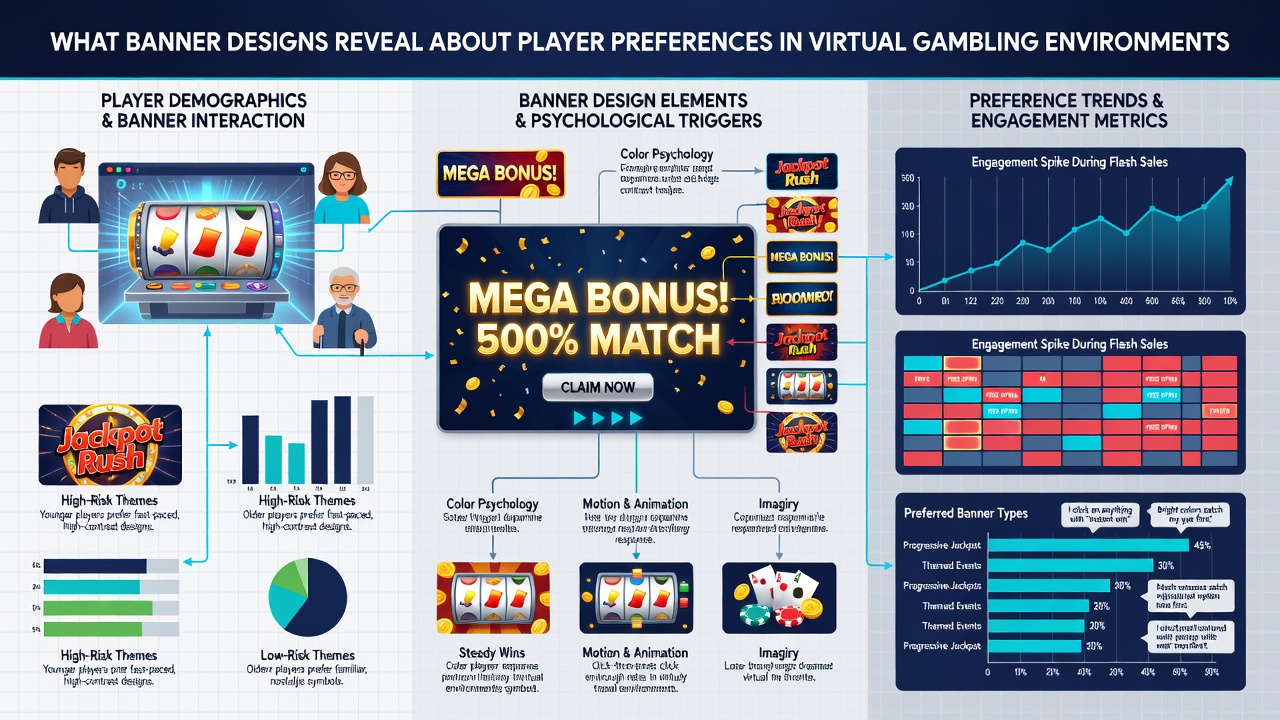
Animated elements such as subtle light flares or coin cascades also appear frequently in high-performing banners, with platform logs showing they extend average dwell time by several seconds compared to static alternatives. Observers tracking these trends note that seasonal imagery, including holiday motifs, produces temporary spikes in engagement that align with broader consumer spending patterns observed across digital entertainment sectors.
Text, Calls to Action, and Behavioral Indicators
The wording within banners offers additional insight into player motivations, with concise phrases like "Join now" outperforming longer benefit statements in conversion data from Canadian and European markets. Research conducted through university-affiliated gaming studies centers shows that urgency-focused language such as "Limited time offer" drives quicker decision-making among users who already maintain accounts, whereas discovery-oriented text appeals more to new visitors scanning multiple sites.
Placement of these calls to action matters as well, since heat-mapping tools reveal that positioning them in the lower right corner captures attention more reliably than centered placements across desktop and mobile formats alike. Data collected through late 2026 confirms that banners balancing visual appeal with clear next steps reduce bounce rates by measurable margins on affiliate-driven traffic.
Trends Emerging in Late 2026
By November 2026, operators had begun integrating personalization layers into banner rotations, using past play history to adjust imagery and color in real time. Early results from these systems indicate stronger retention when banners reflect individual game histories rather than generic promotions, a development tracked by trade associations monitoring digital gambling growth. Mobile-optimized banners with simplified layouts continue to outperform desktop versions in click metrics, reflecting broader shifts toward handheld access documented across multiple jurisdictions.
Conclusion
Banner designs in virtual gambling environments function as measurable indicators of what captures and sustains player interest, with color, imagery, and text elements each contributing distinct data points. Patterns observed through ongoing analytics provide operators and designers with concrete information for refining future campaigns, while external reports from organizations such as the American Gaming Association and the Australian Gambling Research Centre continue to supply comparative context across markets. These visual strategies evolve alongside user behavior, offering ongoing evidence of preference shifts without requiring direct surveys.